L7 Firewall
When referring to “firewall applications,” this typically means using firewalls to protect applications from threats, or the specific software applications that make up a firewall. Firewalls are essential for securing networks and applications by monitoring and controlling network traffic.
Here’s a breakdown:
- Firewalls as Security Tools:Firewalls act as a barrier between a network and the outside world (like the internet) or between different parts of a network. They filter network traffic based on predefined rules, blocking potentially harmful or unwanted connections.
- Web Application Firewalls (WAFs):A specific type of firewall, WAFs, are designed to protect web applications from common web-based attacks. They inspect HTTP traffic to and from web applications, filtering out malicious requests.
- Firewall Applications:This can also refer to the software components that make up a firewall system. These applications handle tasks like packet filtering, proxy services, and stateful inspection.
- WeWork’s Use of Firewalls: WeWork’s security documentation states they use firewalls to block unauthorized inbound traffic from the internet. They also utilize identity-aware proxies requiring MFA for accessing internal resources, including firewall appliances, and deploy WAFs to protect their web applications.
Proucts and Controllers
We work with Fortinet, Palo Alto, Checkpoint, Firepower an WatchGaurd.
FortiManager and Panorama are management platforms for network security devices, but they are specific to different vendors: FortiManager is for Fortinet devices, while Panorama is for Palo Alto Networks devices. FortiManager focuses on centralized management of the Fortinet Security Fabric, offering features like policy and object management, automation, and reporting. Similarly, Panorama provides centralized management for Palo Alto Networks firewalls, enabling policy configuration, security updates, and centralized logging.
FortiManager:
- Centralized Management:FortiManager provides a single pane of glass for managing Fortinet devices, including FortiGate firewalls, FortiAP access points, and more.
- Security Fabric Integration:It’s deeply integrated with the Fortinet Security Fabric, allowing for consistent policy enforcement, automated workflows, and real-time visibility.
- Automation:FortiManager offers automation capabilities for tasks like device provisioning, policy deployment, and security updates, streamlining network operations.
- Key Features:Includes features like device auto-discovery, group management, global policies, auditing, and role-based administration.
Panorama:
- Centralized Management:Panorama offers a centralized platform for managing Palo Alto Networks firewalls, simplifying policy management and security updates.
- Policy and Device Management:Enables centralized policy configuration, security updates, and device management across a network of Palo Alto firewalls.
- Logging and Reporting:Provides logging and reporting capabilities for security events and network traffic analysis.
- Integration:Integrates with other Palo Alto Networks products and services to enhance overall security posture.
In essence, if you’re working with Fortinet devices, you’ll likely be using FortiManager, and if you’re working with Palo Alto Networks devices, you’ll be using Panorama.
SD-WAN
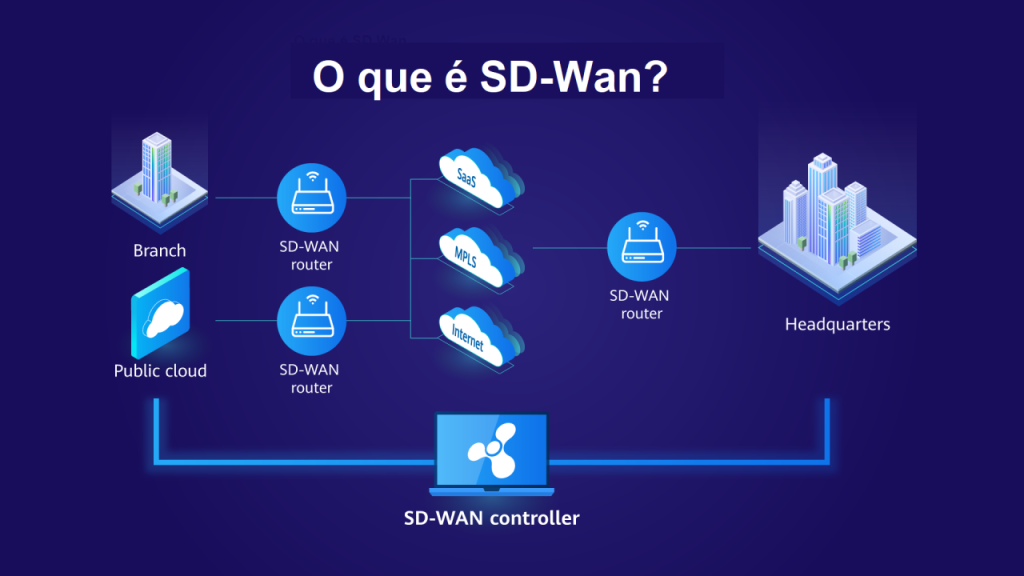
SD-WAN delivers fast, scalable, and flexible Secure SD-WAN on-premises and in the cloud. Secure SD-WAN (SASE) supports cloud-first, security-sensitive, and global enterprises, as well as the hybrid workforce. Our Secure Networking approach uses one operating system and consolidates SD-WAN, next-generation firewall (NGFW), advanced routing, and ZTNA application gateway functions.
Simplify Your Network and Security with Secure SD-WAN | SD-WAN
Simplify Your Network and Security with Secure SD-WAN
Secure SD-WAN is foundational for a seamless transition to SASE and SD-Branch. It enables organizations to protect their investment and simplify operations along their journey to a zero-trust architecture.
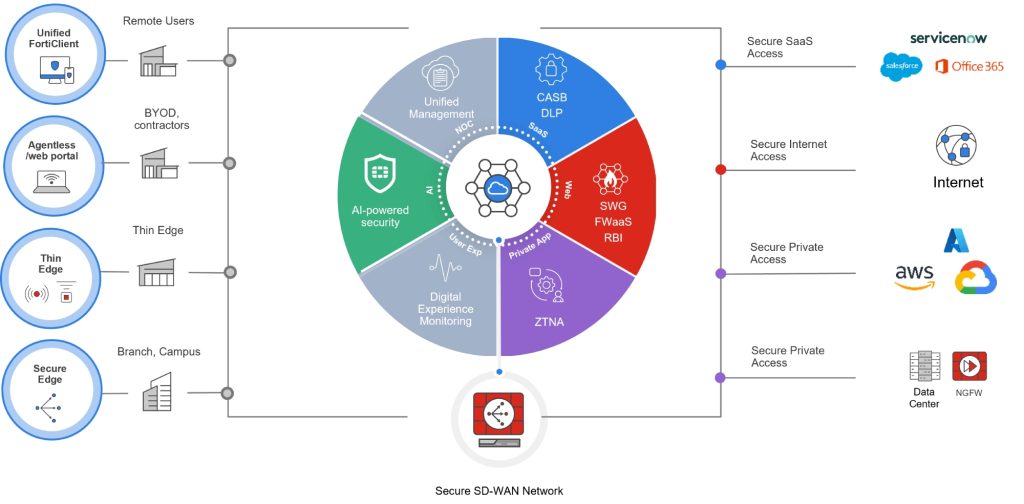
SASE flexibly connects with remote users, micro branch, and campus use cases with a zero trust security posture. This ensures secure SaaS access, secure internet access, and secure private access to applications.
Secure SD-WAN Is Foundational for a Seamless Transition to SASE
SASE helps extend secure access and high-performance connectivity to users regardless of their geographic locations. SASE delivers a full set of networking and security capabilities, including secure web gateway (SWG), universal zero-trust network access (ZTNA), next-generation dual-mode cloud access security broker (CASB), Firewall-as-a-Service (FWaaS), and secure SD-WAN integration. With a unified solution, you can: